
Aquaponics
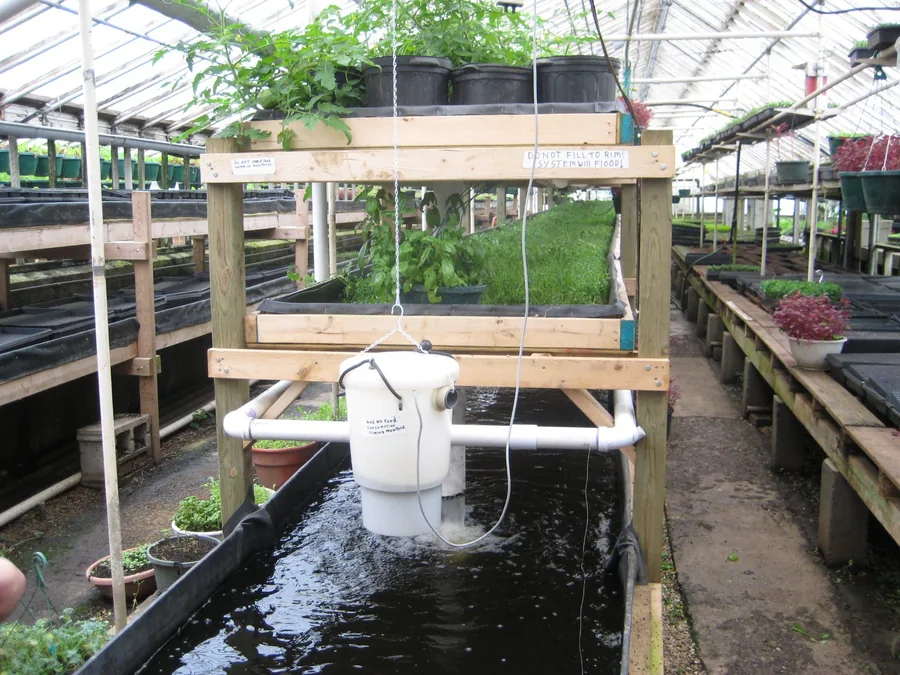
The symbiosis of fish and plant cultivation in a closed water cycle — the productive core of Project Oasis. How the principle works and what advantages it offers.
Learn
Why a learning section?
Our systems only work if the people who operate them understand them. That's why we make the basics public: how does an aquaponic cycle work? What does permaculture do for soils and biodiversity? And how does aquaponics stack up against conventional farming — including its strengths and weaknesses?
All information in this section is backed by scientific primary sources, cited at the bottom of each page. Where reliable data is missing, we say so openly — rather than advertising with impressive but unsubstantiated figures.
Where reliable data is missing, we say so. We don't advertise with figures we can't back up.
Topics
The symbiosis of fish and plant cultivation in a closed water cycle — the productive core of Project Oasis. How the principle works and what advantages it offers.
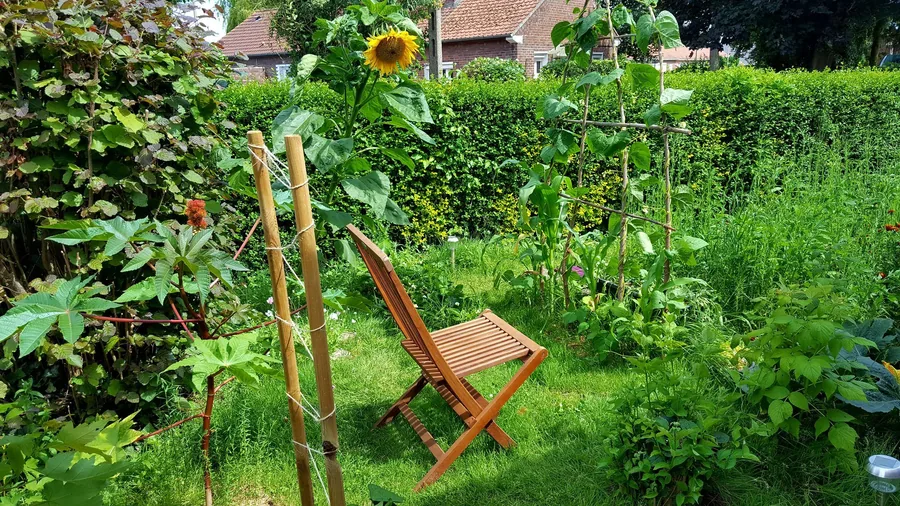
Regenerative land use that builds soils instead of depleting them. What permaculture is, and what current research shows about its effects on soil and biodiversity.
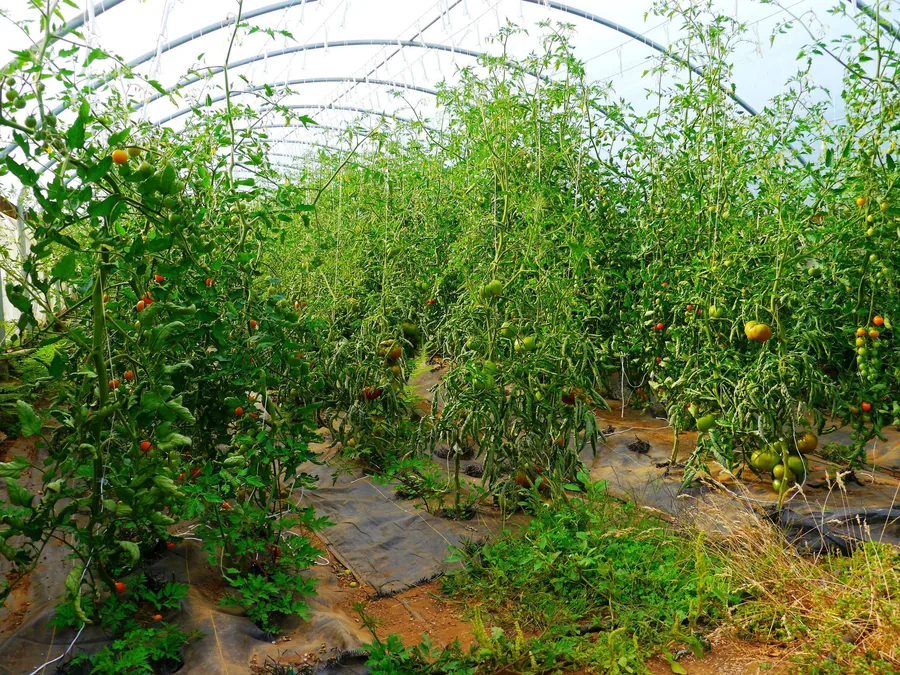
Research projects, findings, and future perspectives on aquaponics and systems ecology: from reference installations in Germany to space research.
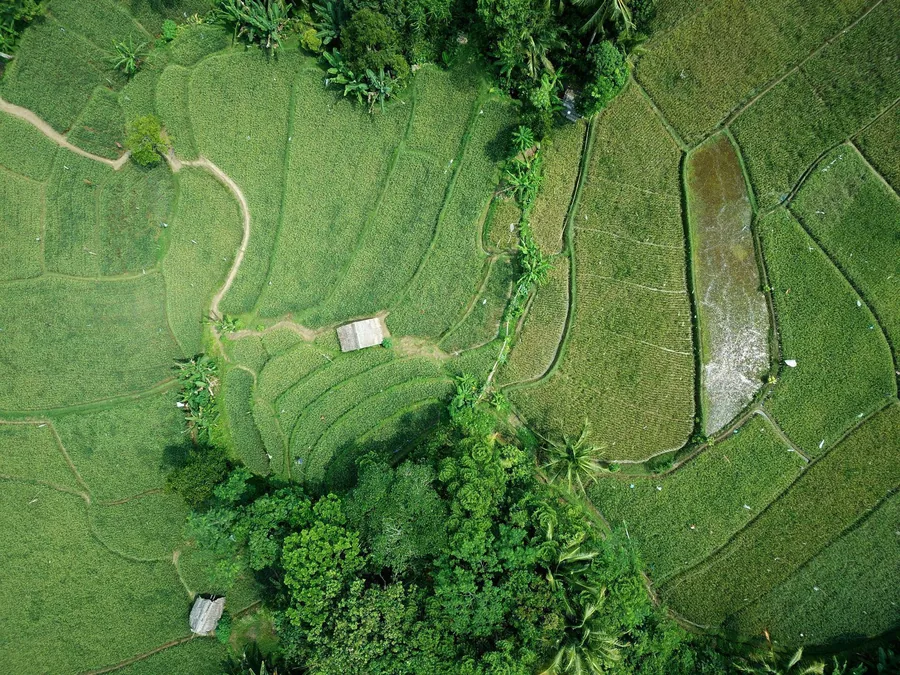
Traditional agriculture and aquaponics in an honest, balanced comparison: water use, soil dependence, economic viability — with substantiated figures and no spin.
Knowledge is the beginning, not the goal. If what you've read here has convinced you, there are three next steps.
What's explained here is what we build into real installations. With your donation or sponsorship, theory becomes a harvest.
We're looking for people who can explain things — in schools, community groups, or their own networks. Educational work is one of our charter purposes.
A shared link is the cheapest way this knowledge spreads.