
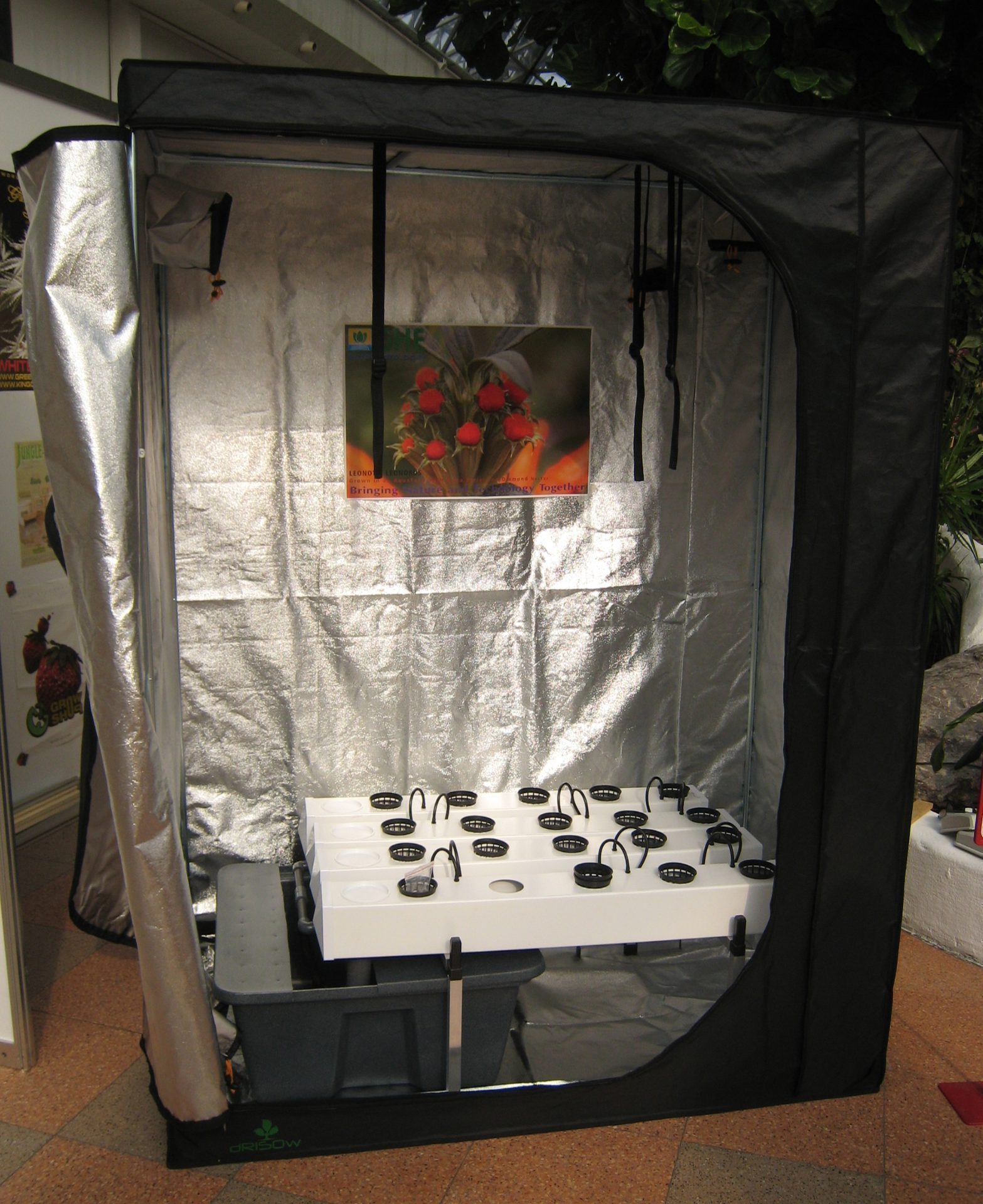
FischGlasHaus (University of Rostock)
Since 2015, the University of Rostock has been operating an aquaponic research facility of around 1,000 m², studying and documenting the combined production of fish and vegetables under real-world conditions.
Learn · The science behind it
State of knowledge
Aquaponics is not a new promise — it is a method that has been scientifically investigated for decades. Research facilities across Europe and beyond have shown that fish and plant production can be operated in a stable closed loop, with very low freshwater needs and significantly reduced fertiliser use.
Research is equally clear about the limitations: aquaponics is technically demanding, energy-dependent, and requires high upfront investment. It only becomes economically viable at larger scales. This ambivalence belongs in any serious assessment. It is also our starting point for developing systems like Project Oasis.
At the same time, systems ecology — including research on permaculture — provides solid evidence that regenerative land use builds soils and promotes biodiversity. Together, these two threads form the scientific foundation of our work.
Rigorous science names not only a system's strengths, but its limitations just as clearly.
Reference projects
Since 2015, the University of Rostock has been operating an aquaponic research facility of around 1,000 m², studying and documenting the combined production of fish and vegetables under real-world conditions.
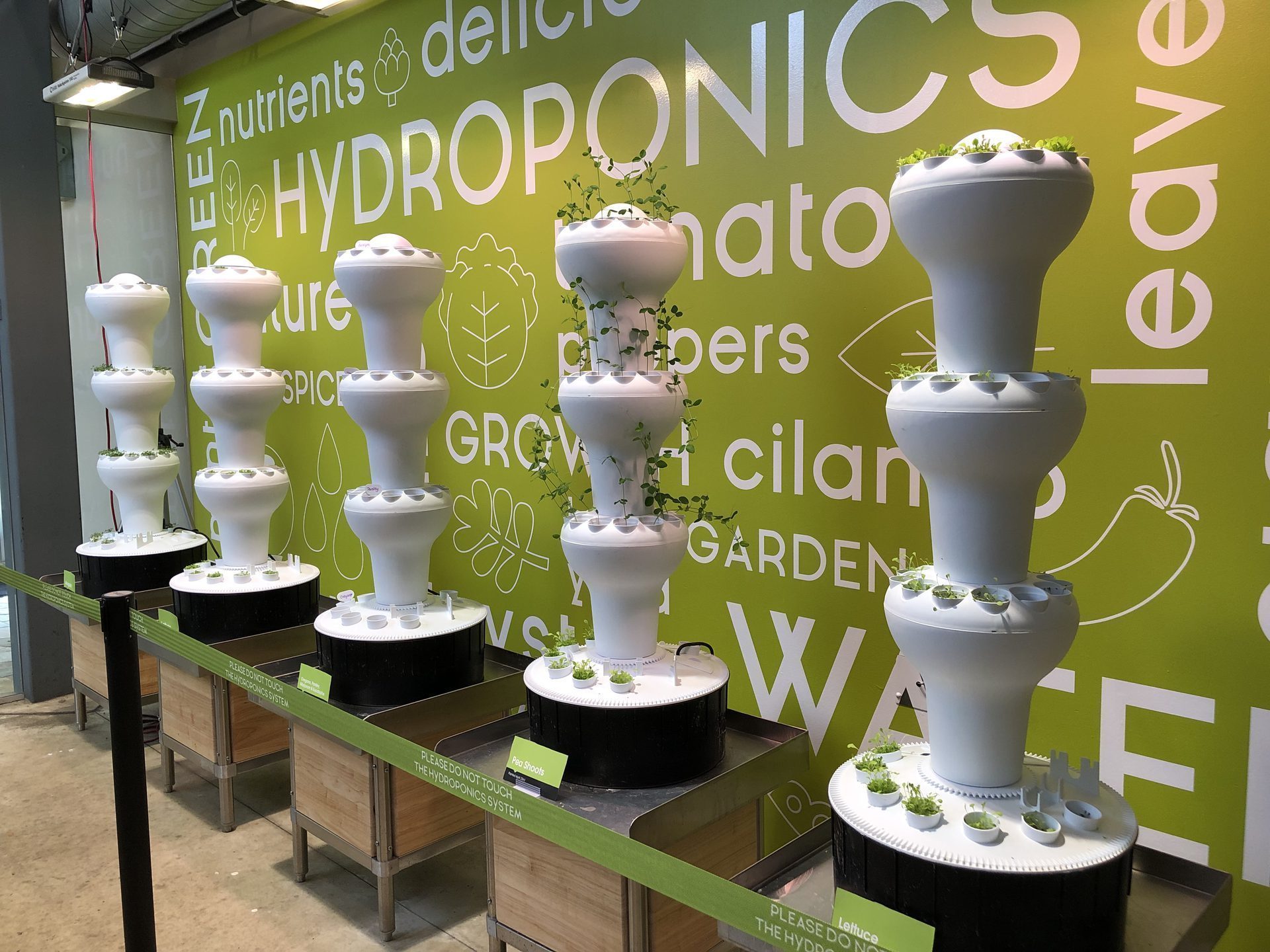
The EU-funded INAPRO project by the Leibniz Institute of Freshwater Ecology and Inland Fisheries developed a dual recirculation system that reduced daily freshwater demand to below 3% of system volume — demonstrated in several countries.
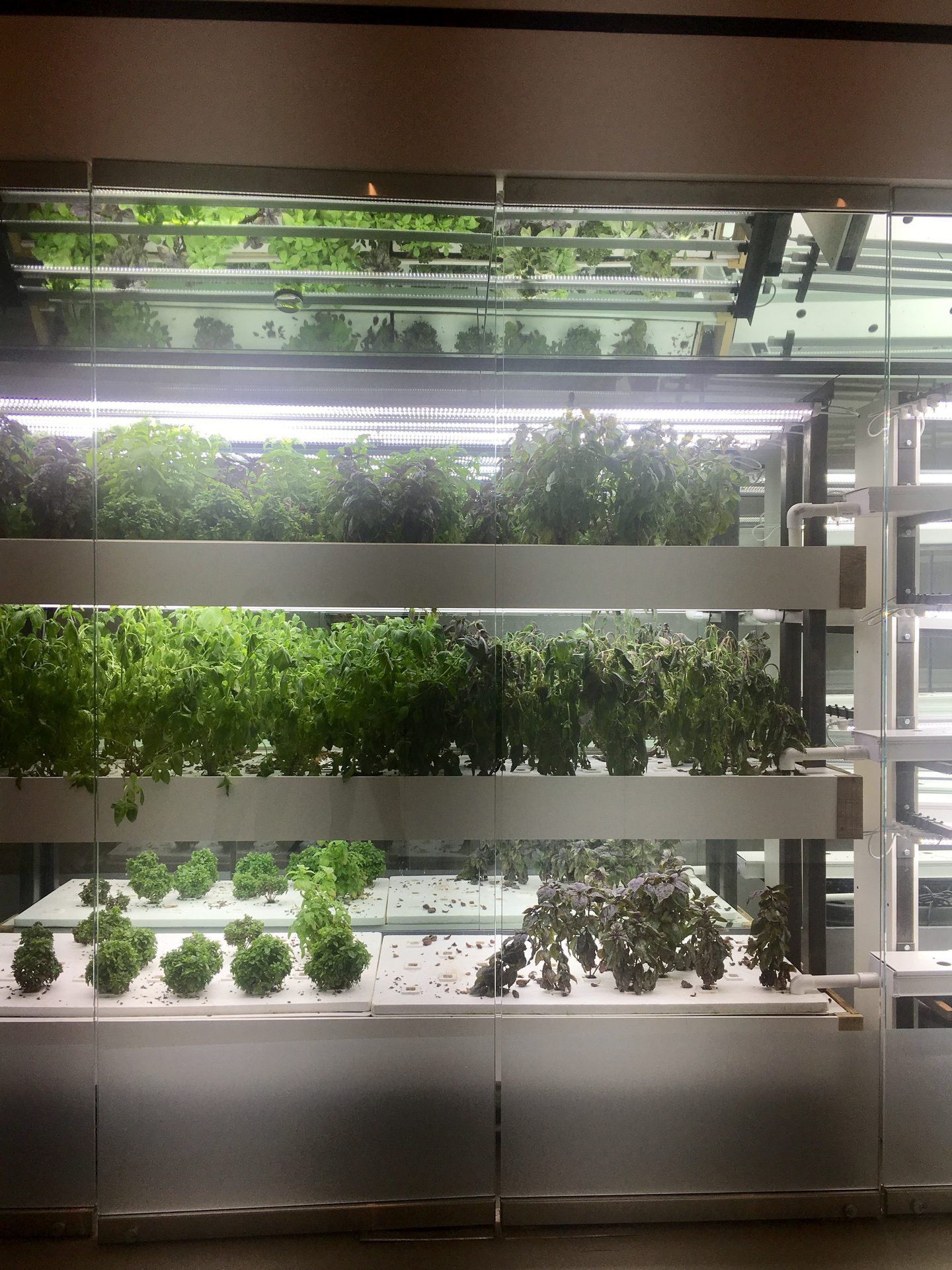
The ZHAW Aquaculture Systems research group investigates aquaponic systems for use in humanitarian contexts and different climate zones, among other applications.
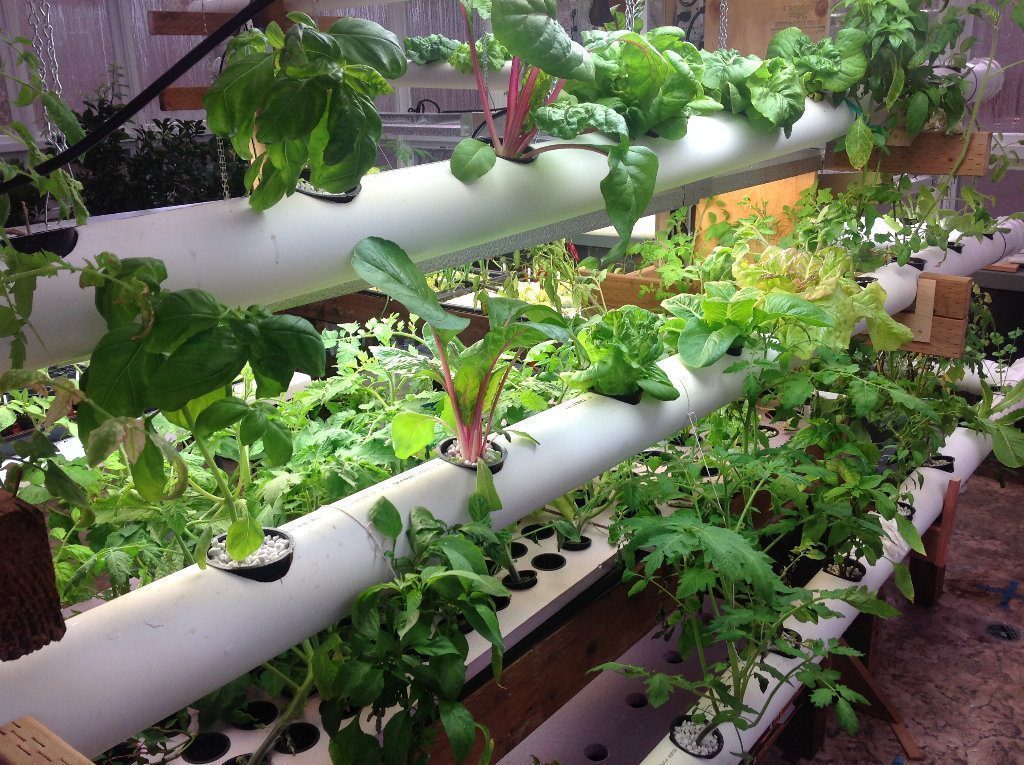
The UVI aquaponics programme under Dr. James Rakocy is regarded as one of the world's most influential basic research programmes. Many of the design principles used in aquaponic systems today trace back to it.
Future perspectives
Aquaponics and related closed-loop systems sit at the centre of some pressing questions: climate adaptation, urban food supply, and food production in space.
Protected closed-loop systems can stabilise yields even in heat, drought, or on infertile soils — making them a building block for food security in a warming world.
Because aquaponics needs no fertile soil, it can be operated in cities and on sealed surfaces, bringing production closer to people.
Sensors, automation, and machine learning are making systems more efficient and easier to operate. A systematic research review evaluated 105 primary studies on this topic. Exactly here lies our own technical ambition for Project Oasis.
Bioregenerative life support systems — from NASA's CELSS to concepts for aquaculture on a lunar base — investigate how food can be grown in closed loops far from Earth.
From a small unit via clusters to a network: how decentralised systems can be multiplied without becoming centralised is an active field of research — and a core principle of Project Oasis.
How regenerative land use and biodiversity reinforce each other is shown by permaculture research — and is a point of connection for the ecological embedding of our installations.
The research is there. What's missing is translating it into installations that actually feed people.
Scientific monitoring costs money — but it delivers the solid data that every scaling effort depends on.
We're looking for exchange with universities, institutes, and specialists — including for theses and measurement series.
Lots of unsubstantiated figures circulate about aquaponics. Helping this page push back against that is already worth something.