
+27% soil carbon
Permaculture plots stored 27% more carbon in the soil than conventional control plots — relevant for soil fertility and climate protection.
Learn · Permaculture
Definition
Permaculture is a design approach for permanently viable land-use systems. The term emerged in the 1970s and combines ecological knowledge with deliberate planning: land is designed to regulate itself as much as possible, close its cycles, and become more fertile rather than depleted over time.
A few core principles are central: diversity over monoculture, using natural interactions between plants, animals, and soil, closed nutrient cycles, and deliberately building healthy, humus-rich soils. Rather than working against natural processes, they are actively used.
For World Eden Era, permaculture is the regenerative extension in the outdoor zone of Project Oasis: it rebuilds degraded soils, promotes local biodiversity, and stabilises the surroundings of the installation naturally.
Advantages
A 2024 study published in Communications Earth & Environment (Nature Portfolio) compared nine permaculture farms in Central Europe with neighbouring conventionally managed control plots. The results are clear. The precise figures are sourced below.
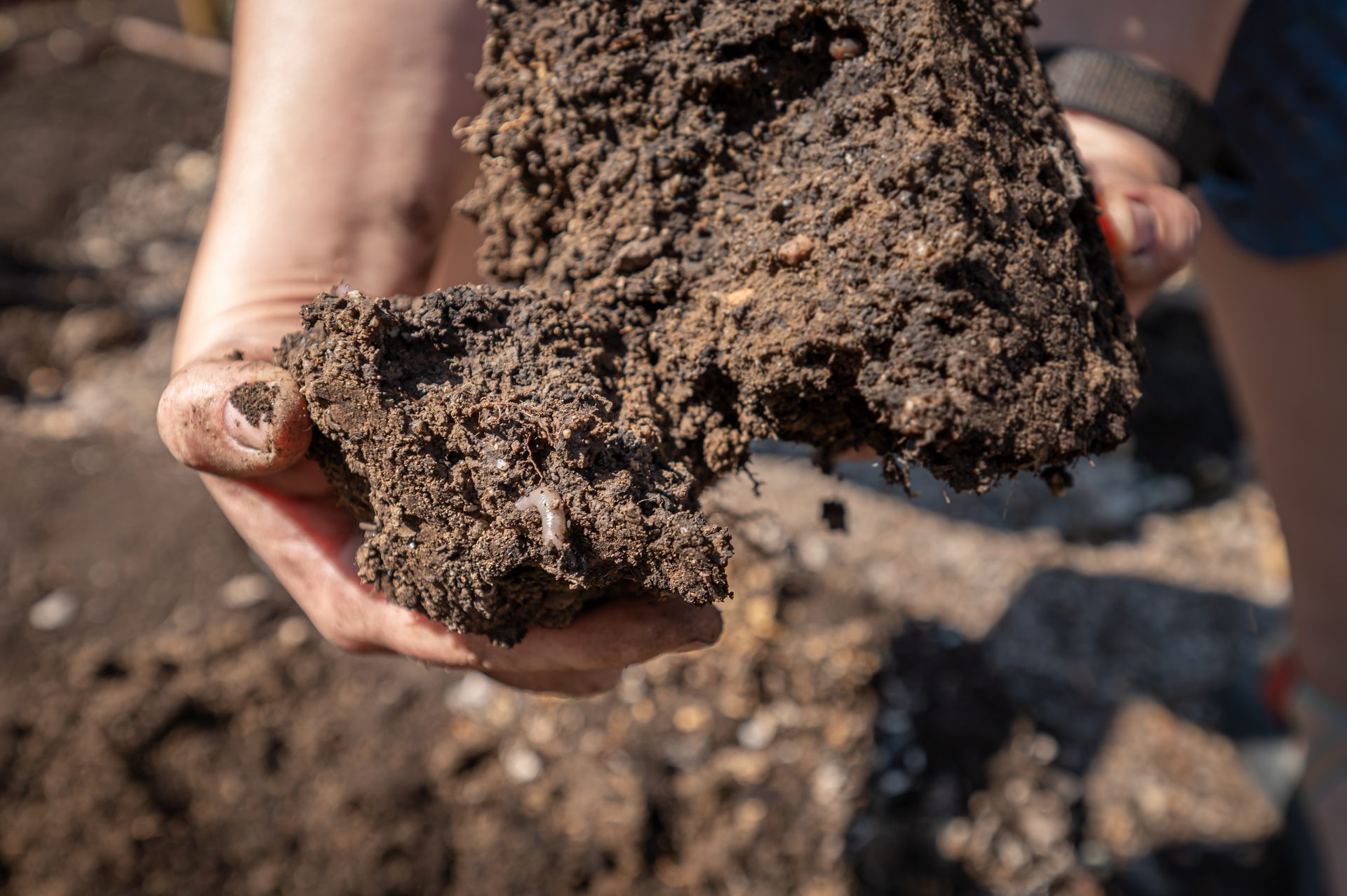
Permaculture plots stored 27% more carbon in the soil than conventional control plots — relevant for soil fertility and climate protection.
Soil bulk density was 20% lower. Looser soil retains water better and allows deeper root penetration.
Earthworm abundance was 201% higher — an indicator of active, healthy soil life.
Species richness of vascular plants was 457% higher, and earthworm diversity 77% higher — significantly more variety than on the control plots.
Bird species richness was also 197% higher, indicating a much richer ecosystem.
Soils showed higher levels of various macro- and micronutrients — pointing to better growing conditions.
Application
While the aquaponic core of Project Oasis produces inside the protected greenhouse, permaculture works outward: in suitable regions, surrounding land is used to systematically regenerate degraded soils, increase water retention capacity, and promote biodiversity.
The two approaches complement each other. Aquaponics delivers reliable yields regardless of soil condition; permaculture heals and stabilises the surroundings over the long term. Together they form a system that not only produces, but permanently improves its site.
The research findings cited above refer explicitly to permaculture compared to conventional agriculture — not to aquaponics. We deliberately keep these two sets of data separate.
Permaculture works over years, not weeks. All the more reason for someone to start now.
Soil building, planting, maintenance: regenerative land use takes patience and resources. Your donation provides both.
Anyone who gardens, plans, or plants knows things that no study captures. Those are exactly the people we're looking for.
Regenerative land use is still dismissed as a niche. That only changes when more people talk about it.